
Spiders are one of the most common household pests found in Port Dover homes. While most spiders in Ontario are harmless to people, that does little to ease the concerns of homeowners who regularly find webs in corners, spiders crawling across ceilings, or large spiders appearing in basements and garages.
Many residents notice an increase in spider activity during late summer and fall, but spiders can become a problem at any time of the year. Because Port Dover sits along the shores of Lake Erie, the local climate provides ideal conditions for insects, which in turn creates a steady food supply for spiders. Understanding why spiders enter homes, where they hide, and how professional spider control works can help homeowners keep their properties more comfortable and pest-free throughout the year.
Why Spiders Enter Homes
Spiders do not enter homes because they are looking for people. Their primary goals are finding food, shelter, and suitable places to reproduce. A house offers protection from weather, predators, and environmental changes. More importantly, homes often contain a variety of insects that spiders feed on.
If a property has flies, ants, beetles, mosquitoes, moths, or other insects, spiders are likely to follow. In many cases, a spider infestation is actually a sign of another insect problem nearby. The more insects that are available, the more attractive the home becomes to spiders.
Common Spiders Found in Port Dover
Several spider species are commonly encountered throughout Port Dover and the surrounding Lake Erie region. House spiders are among the most frequently seen. They often build webs in corners, basements, crawl spaces, garages, and storage areas. Wolf spiders are another common species. Unlike web-building spiders, wolf spiders actively hunt their prey. Homeowners often encounter them on floors, near foundations, and in basements.
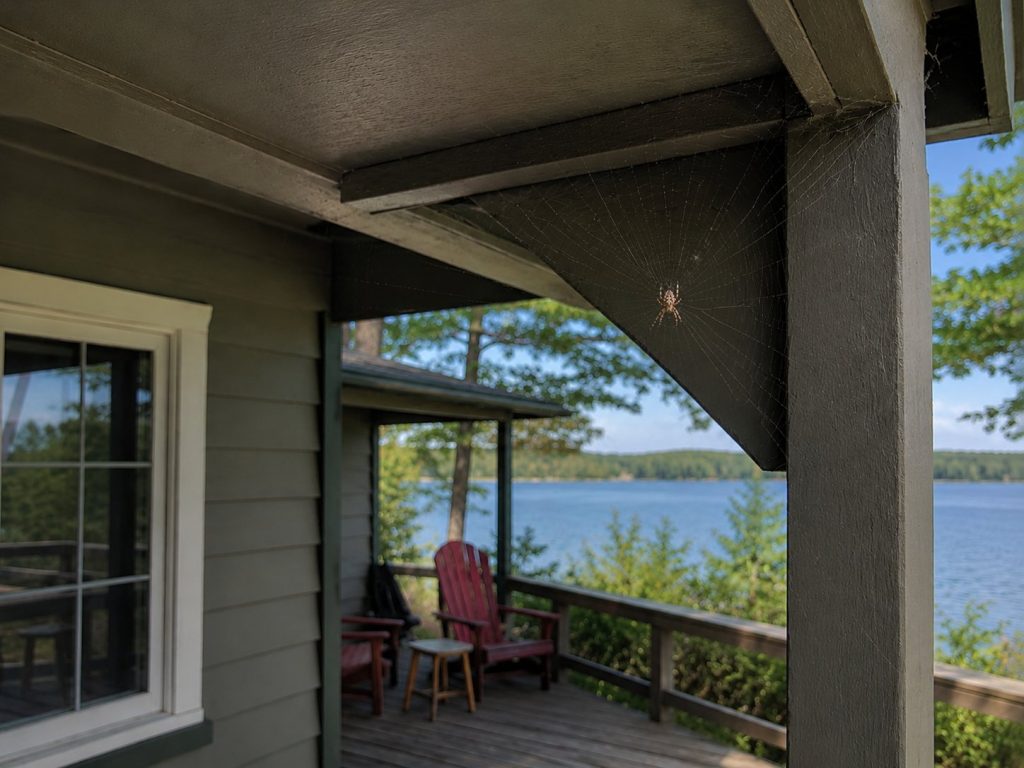
Cellar spiders, sometimes called daddy longlegs, are commonly found in unfinished basements, utility rooms, and crawl spaces where moisture levels are higher. Orb-weaver spiders are frequently seen outdoors around decks, porches, and gardens. Their large circular webs often become more noticeable during late summer. While these spiders are generally harmless, large numbers can become a nuisance and create an unpleasant living environment.
Why Port Dover Homes Experience Spider Problems
Several local factors contribute to spider activity in Port Dover. The proximity to Lake Erie creates conditions that support healthy insect populations. Moisture, vegetation, and seasonal weather patterns provide excellent breeding conditions for many insects that spiders feed upon.
Many homes in the area are also located near wooded lots, shoreline vegetation, gardens, and natural habitats. These environments naturally support higher populations of both insects and spiders. Older homes can be particularly vulnerable due to small cracks, gaps, and entry points that allow spiders and their prey to enter.
How Spiders Get Inside
Spiders can enter through surprisingly small openings. Gaps around windows and doors, damaged weatherstripping, foundation cracks, utility penetrations, soffit openings, and attic vents all provide potential access points.
Some spiders enter accidentally while hunting insects around the exterior of the home. Others may be carried inside on firewood, storage boxes, patio furniture, or other outdoor items. Once indoors, spiders often settle in quiet areas where they are less likely to be disturbed.
Where Spiders Hide
Many homeowners only notice a fraction of the spiders actually living inside the home. Spiders prefer secluded locations where they can hunt or build webs without interruption. Common hiding places include basements, crawl spaces, attics, garages, closets, storage rooms, utility areas, and behind furniture.
Window frames, ceiling corners, behind appliances, and around exterior doors are also popular locations. Because spiders often remain hidden during the day, infestations can become well established before homeowners realize the extent of the problem.
Seasonal Spider Activity
Spider activity changes throughout the year. Spring and summer often bring increased outdoor spider populations as insects become more abundant. During these months, spiders frequently establish themselves around foundations, decks, porches, gardens, and exterior walls.
As temperatures begin cooling in late summer and fall, many spiders start moving closer to structures. Homes provide a more stable environment and continued access to prey. This is one reason homeowners often notice an increase in spider sightings during autumn. The spiders themselves may not be multiplying indoors. Instead, outdoor populations are becoming more visible as they seek shelter near structures.
Why Webs Keep Appearing
One of the most frustrating aspects of spider infestations is the constant reappearance of webs. Removing webs is an important part of maintenance, but it does not eliminate the spiders responsible for building them.
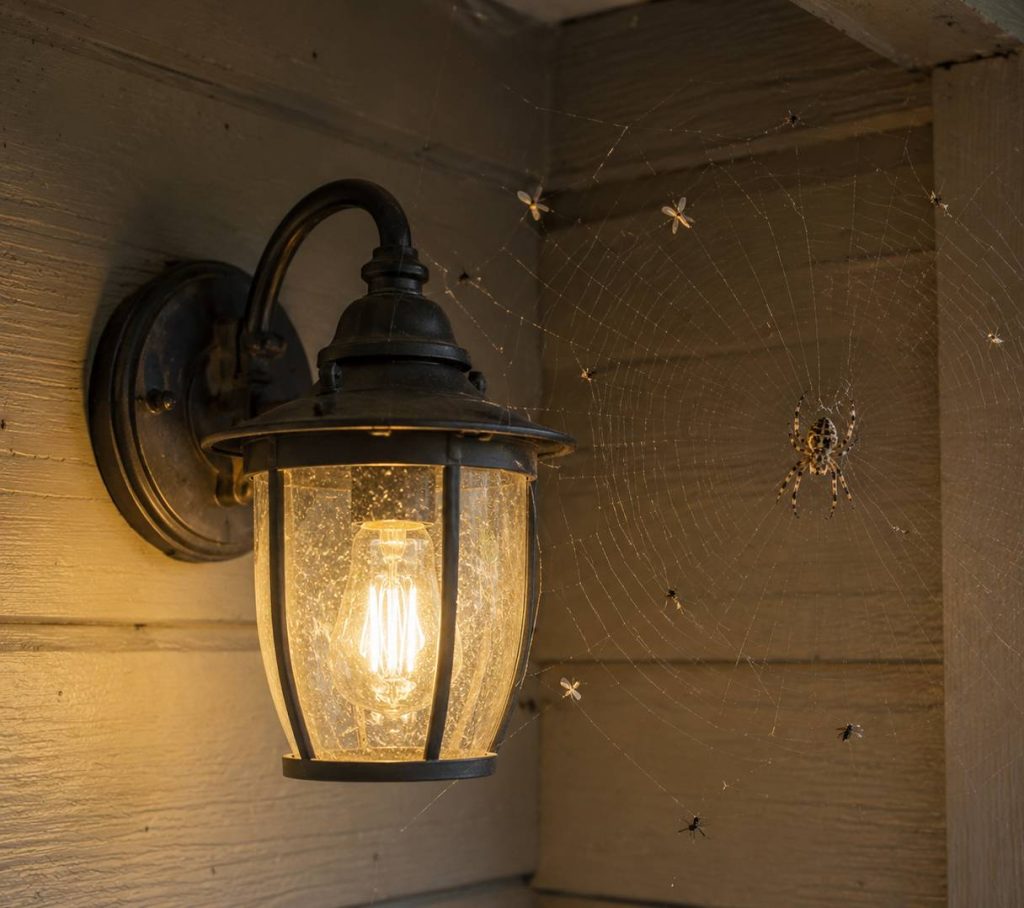
If food sources remain available and conditions continue attracting spiders, new webs can appear shortly after cleaning. This is especially common around exterior lighting, windows, garages, porches, and basements where insects tend to gather. Long-term spider control requires addressing both the spiders and the insects that attract them.
The Relationship Between Insects and Spiders
A successful spider control program often begins with insect control. Spiders are predators. If there is no food source available, they are far less likely to remain on the property. Reducing insect populations around the home naturally reduces spider activity as well.
This is why professional pest control treatments frequently focus on treating common insect harbourage areas around foundations, entry points, and exterior walls. When insects become less abundant, spiders often relocate elsewhere.
DIY Spider Control Challenges
Many homeowners attempt to manage spiders using aerosol sprays or by simply removing webs. While these methods may provide temporary relief, they rarely solve the underlying problem. Spraying individual spiders only affects the spiders that are directly contacted. Hidden spiders, egg sacs, and insects that support the spider population often remain untouched.
Similarly, removing webs improves appearance but does not prevent new spiders from moving into the area. Without addressing entry points and insect populations, spider activity often returns.
How Professional Spider Control Works
Professional spider control takes a broader approach. The first step involves identifying where spiders are active and determining what conditions are supporting the infestation. Exterior treatments are often focused around foundations, windows, doors, soffits, eaves, and other areas where spiders commonly establish themselves. Interior treatments may target baseboards, corners, utility areas, basements, and other locations where spiders hide. The goal is not only to reduce existing spider activity but also to make the property less attractive to future infestations.
Preventing Spider Problems
Homeowners can take several steps to reduce the likelihood of spider infestations. Maintaining a clean home, reducing clutter, and removing unnecessary storage can eliminate hiding places. Sealing cracks and gaps helps limit entry opportunities.
Outdoor lighting may attract insects, which in turn attract spiders. Reducing unnecessary lighting or using insect-resistant bulbs can help lower insect activity around entrances. Keeping vegetation trimmed away from the home and maintaining the exterior structure can also reduce spider pressure. Combined with professional treatments, these measures help provide long-term protection.
Why Professional Spider Control Is Worth It
Spiders can quickly become a recurring issue if conditions remain favorable. Many homeowners spend months repeatedly cleaning webs and spraying visible spiders without achieving lasting results.
Professional spider control addresses the factors contributing to the infestation rather than simply treating symptoms. For Port Dover homeowners, this means fewer spiders, fewer webs, and a more comfortable living environment throughout the year.
Contact Port Dover Pest for Spider Control
If spiders are becoming a problem in your home, Port Dover Pest can help. Our professional spider control services are designed to reduce active infestations, eliminate webs, and target the conditions that attract spiders to your property. Whether you’re dealing with spiders in the basement, garage, attic, or throughout the home, our team can provide an effective solution tailored to your needs.
Contact Port Dover Pest to schedule your spider control service and enjoy a spider-free home this season.