
Mice don’t need much space to get inside your home. In fact, one of the biggest surprises for homeowners in Port Dover is just how small an opening can lead to a full-blown infestation. You might keep your home clean, well-maintained, and organized, yet still end up dealing with mice. The reason often comes down to tiny gaps that are easy to overlook.
Understanding how mice enter homes is the first step to stopping them. Once you know where to look and what makes your home vulnerable, you can take the right steps to prevent ongoing problems.
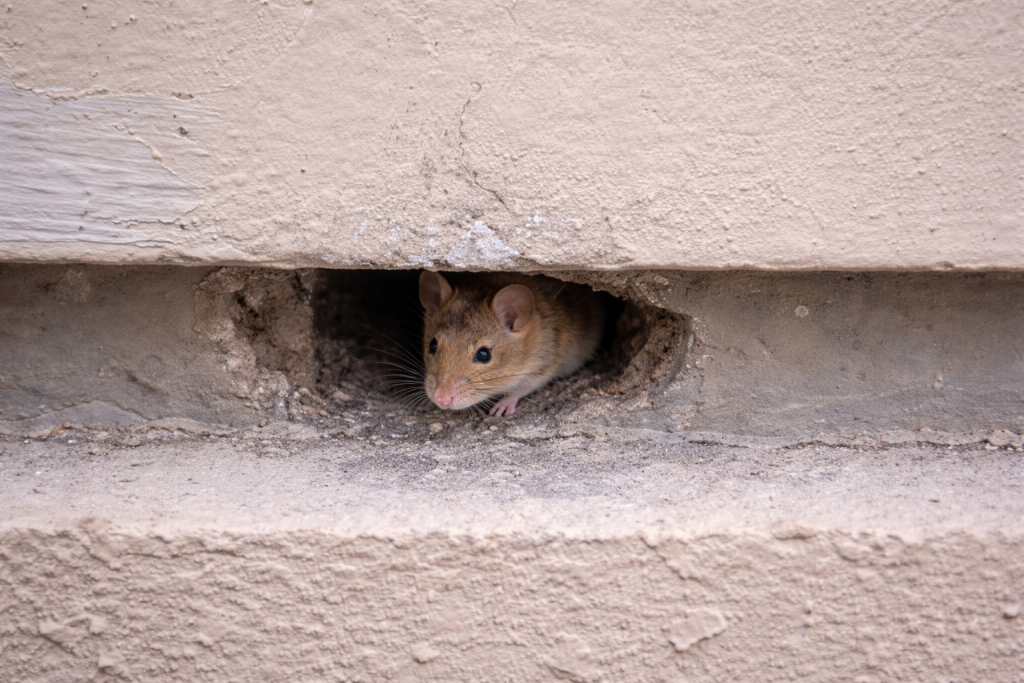
How Small of a Gap Is Enough?
Mice have flexible bodies that allow them to squeeze through openings much smaller than most people expect. A gap the size of a dime is often enough for a mouse to get through. If their head can fit, the rest of their body can usually follow.
In Port Dover homes, especially those near Lake Erie or surrounded by natural areas, these small openings are common. Weather, moisture, and natural wear slowly create gaps around the exterior of the home. Over time, even a well-built structure can develop entry points. This is why many infestations seem to happen suddenly. The opening may have been there for months, but once mice discover it, they begin using it regularly.
Why Mice Look for These Openings
Mice are constantly searching for three things: food, warmth, and shelter. Your home provides all of these, especially during colder months.
As temperatures drop in Port Dover, mice begin moving closer to buildings. They follow scent trails, explore foundations, and test small openings. Once they find a way inside, they return to it again and again. Homes near fields, wooded areas, or the lake tend to have more rodent activity, which increases the chances of mice finding these entry points.
Common Places Mice Get In
Most entry points are not obvious at first glance. They are often hidden in areas that homeowners don’t regularly inspect. Gaps around utility lines are one of the most common. Where pipes, cables, or wires enter the home, there is often a small opening that mice can use. Over time, these gaps can widen, especially if they were not sealed properly to begin with. Foundation cracks are another frequent issue. Even small cracks in concrete can allow mice to squeeze through.
In older homes around Port Dover, these cracks are especially common. Doors and windows can also create access points. Worn weather stripping, small gaps under doors, or improperly sealed frames can all be used by mice to get inside. Rooflines and soffits are often overlooked. Mice are strong climbers and can easily reach higher parts of a home. Once they gain access to the attic, they can move down into wall cavities and other areas.
How Mice Use These Gaps
Once a mouse finds an entry point, it doesn’t just use it once. It becomes part of a routine. Mice leave behind scent trails that guide them back to the same opening. Other mice can detect these trails and follow them, turning a single entry point into a heavily used access route.
Inside the home, mice usually stay hidden. They move through walls, ceilings, and insulation, only coming out when they need food or water. This is why you may not see them often, even if activity is ongoing. Over time, the problem grows as more mice use the same gap to enter.
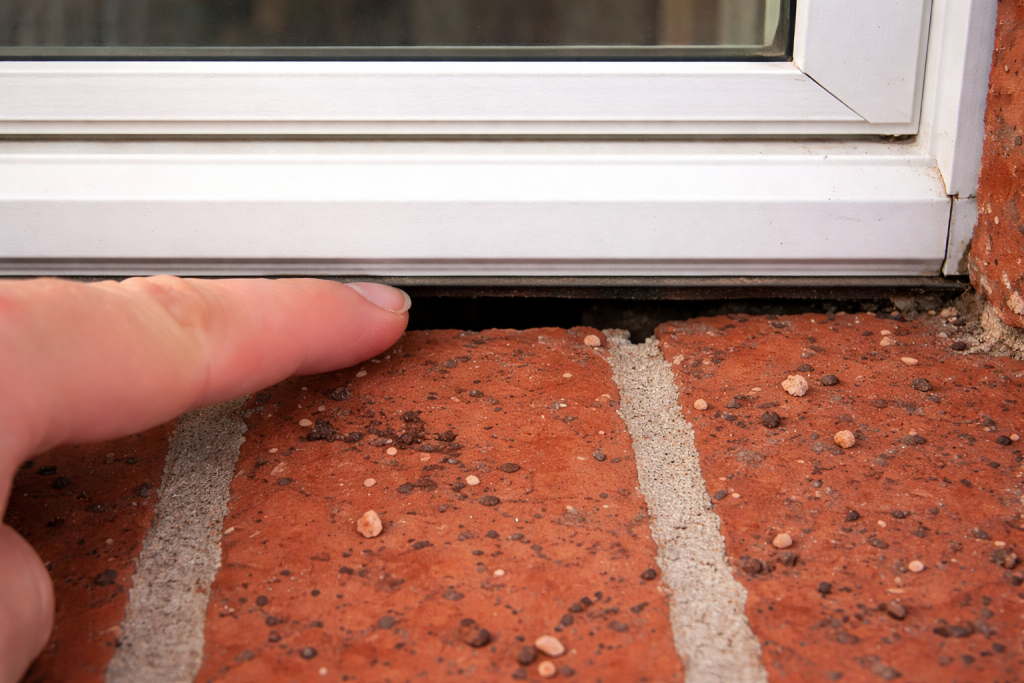
Why Tiny Gaps Turn Into Bigger Problems
A small opening might not seem like a big deal, but it can quickly lead to a larger infestation. Mice reproduce quickly. Once inside, they build nests in hidden areas and begin multiplying. Because they are out of sight, the population can grow before you realize what’s happening.
At the same time, mice may enlarge existing gaps by chewing. Materials like wood, plastic, and even softer concrete can be damaged over time, making the entry point bigger and easier to access. This combination of easy entry and rapid reproduction is what makes mice so difficult to control once they get inside.
Why Sealing Gaps Is So Important
The most effective way to stop mice from entering your home is to eliminate their access points. Sealing gaps around the exterior of the home prevents mice from getting inside in the first place. This includes areas around pipes, vents, foundations, and rooflines.
In Port Dover, where environmental conditions can cause materials to shift or wear down over time, regular inspections are important. New gaps can form without being noticed. Closing these openings is what turns a temporary fix into a long-term solution. Without this step, mice will continue to find their way inside no matter what else is done.
Why DIY Sealing Often Falls Short
Many homeowners attempt to seal gaps on their own, but it’s easy to miss critical areas. Some openings are hidden behind siding, under decks, or along rooflines that are difficult to access. Others may not be obvious without knowing exactly what to look for.
Using the wrong materials can also be a problem. Mice can chew through many common sealants, especially if they are not reinforced properly. A thorough approach requires identifying all potential entry points and using materials that are designed to withstand rodent activity.
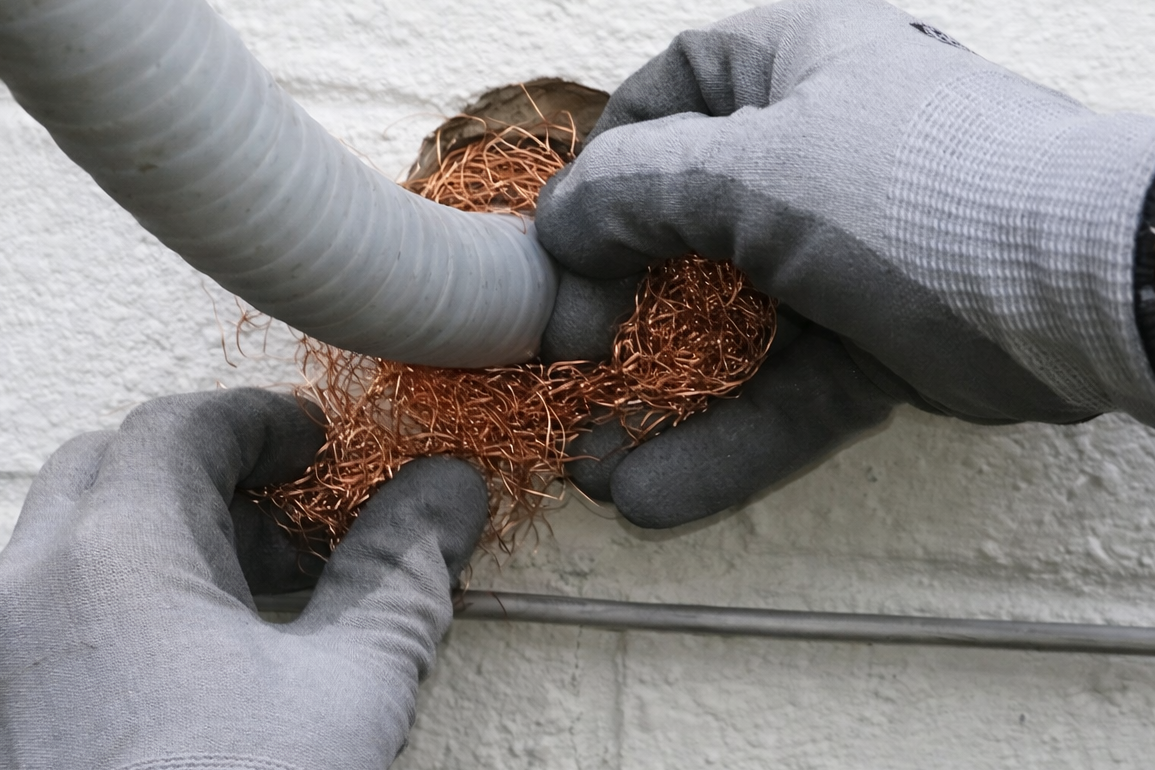
Professional Inspections Make a Difference
A professional inspection focuses on finding every possible entry point, not just the obvious ones. Technicians are trained to identify where mice are most likely to get in based on the structure of the home and the surrounding environment. They look for subtle signs such as rub marks, droppings, and worn areas that indicate activity.
In Port Dover, this is especially important for homes near water or natural areas, where rodent pressure is higher. Once entry points are identified, a plan can be put in place to seal them and reduce the risk of future infestations.
Long-Term Protection for Your Home
Keeping mice out of your home requires ongoing attention. Even after gaps are sealed, it’s important to monitor the exterior for new vulnerabilities. Weather changes, seasonal shifts, and normal wear can all create new openings over time. Staying ahead of these issues helps prevent mice from returning.
Maintaining a clean exterior, managing vegetation, and reducing food sources around the home also play a role in long-term prevention. For many homeowners in Port Dover, combining these steps with professional rodent control provides the best results.
Book Mouse Control With Port Dover Pest
If mice are getting into your home, small gaps are likely the reason. Port Dover Pest specializes in identifying and sealing entry points, reducing rodent activity around your home, and preventing future infestations. Our approach is designed for local conditions, so you get results that last.
Don’t let a small opening turn into a bigger problem. Contact Port Dover Pest today to book your service and keep mice out of your home for good.