
Owning a cottage in Port Dover is a great way to enjoy the peaceful surroundings of Lake Erie, but seasonal properties can also attract unwanted visitors. Mice are one of the most common pest problems cottage owners face, particularly during the fall and winter when temperatures begin to drop. While your cottage may be empty for weeks or months at a time, mice can take advantage of the quiet environment to find shelter, build nests, and reproduce.
Unlike year-round homes, cottages often have periods of inactivity that make mouse infestations difficult to detect. By the time you return for the season, mice may have already contaminated cupboards, damaged insulation, chewed electrical wiring, or established nests inside walls and storage areas.
Mouse-proofing your cottage is one of the most effective ways to reduce the risk of an infestation. Understanding how mice enter, what attracts them, and which preventative measures work best can help protect your property throughout the year.
Why Port Dover Cottages Are Vulnerable to Mice
Cottages in Port Dover and the surrounding Lake Erie shoreline are often located near wooded areas, fields, gardens, and natural vegetation. These environments provide mice with food, nesting materials, and shelter throughout the warmer months. As temperatures cool in September, October, and November, mice begin seeking protected locations where they can survive the winter. A cottage offers warmth, insulation, food sources, and relatively undisturbed hiding places. Seasonal properties are particularly attractive because they may remain vacant for extended periods. Without regular human activity, mice can explore the structure and establish nesting areas without being disturbed.
Older cottages may also have structural features that make entry easier. Gaps beneath doors, deteriorating foundation materials, damaged siding, and openings around utility pipes can all provide access. Even newer cottages are not completely protected. Mice can squeeze through openings approximately 6 mm wide, meaning a small construction gap may be enough for them to enter.
How Mice Get Inside Cottages
Understanding how mice enter a building is the first step toward preventing an infestation. Mice are excellent climbers and can travel along rough siding, foundations, utility lines, and other surfaces. They are also capable of squeezing through surprisingly small spaces. Common mouse entry points around Port Dover cottages include:
- Cracks and gaps around the foundation
- Openings around plumbing pipes, electrical cables, and utility lines
- Gaps beneath exterior doors and garage doors
- Damaged siding, soffits, and exterior vents
- Openings around crawl spaces and basement windows
- Gaps where decks, porches, and additions connect to the cottage
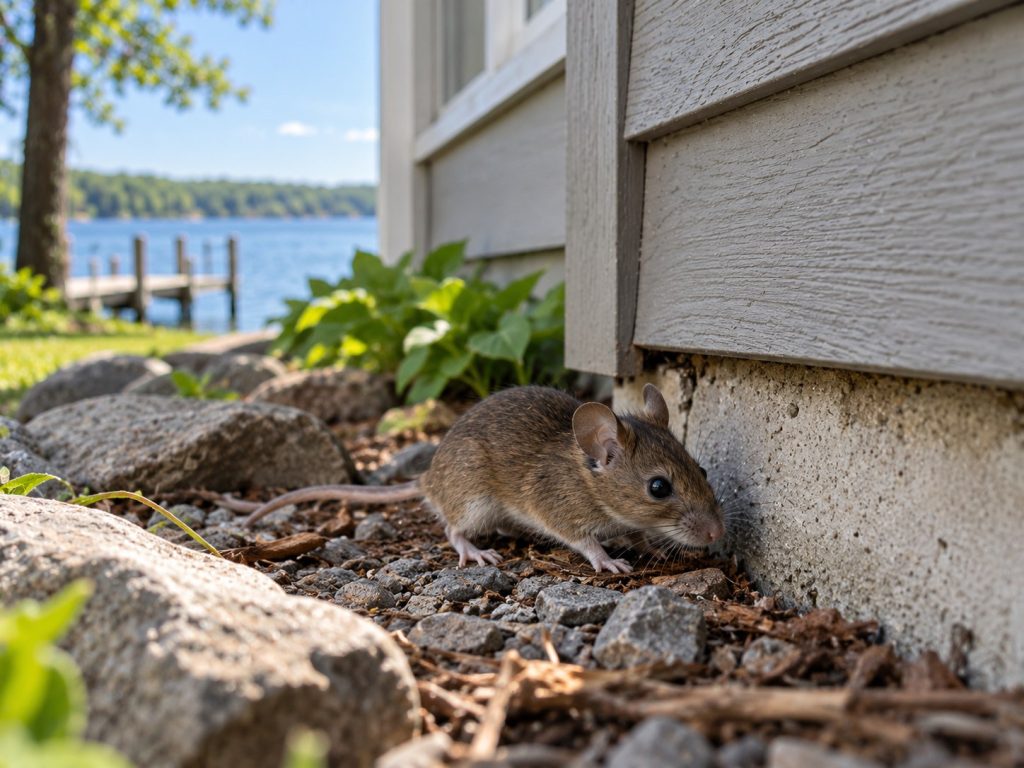
Mice often follow the edges of buildings while searching for openings. Once they find a suitable entry point, they can travel through wall cavities, floor joists, and insulation to reach other parts of the structure. Some entry points are difficult to identify without a thorough inspection, particularly around crawl spaces and areas beneath decks.
Inspect Your Cottage Foundation for Mouse Entry Points
The foundation is one of the most important areas to inspect when mouse-proofing a cottage. Walk around the entire exterior and examine where the foundation meets the siding. Look for cracks, gaps, deteriorating mortar, and openings around pipes or cables. Pay particular attention to corners and areas where different building materials meet. These transitions can develop gaps as the structure settles or materials expand and contract.
Older cottages with stone foundations, concrete blocks, or crawl spaces may have additional openings that are difficult to see. Small cracks can often be sealed using appropriate exterior-grade materials. Larger openings may require metal mesh, sheet metal, mortar, or other rodent-resistant materials. Avoid relying on expanding foam alone. Mice can chew through many soft sealing materials, allowing them to reopen an entry point. For larger structural gaps, a more durable repair may be necessary to prevent mice from returning.
Seal Gaps Around Doors and Windows
Exterior doors are another common entry point for mice. Over time, weatherstripping can become worn, damaged, or compressed. Door sweeps may also deteriorate, leaving small openings along the bottom of the door. Even a narrow gap can provide enough space for a mouse to squeeze inside. Inspect all exterior doors, including patio doors, basement entrances, storage rooms, and attached garages.
Replace damaged weatherstripping and install durable door sweeps where necessary. For doors with persistent rodent activity, metal-reinforced or rodent-resistant sweeps may offer better protection. Windows should also be inspected for deteriorating caulking, damaged screens, and gaps around exterior trim. While mice are more commonly associated with ground-level openings, they can climb and access higher entry points when suitable surfaces are available.
Check Crawl Spaces and Areas Beneath the Cottage
Many cottages in Port Dover have crawl spaces, raised foundations, or enclosed areas beneath the structure. These locations can provide excellent shelter for mice because they are dark, protected, and rarely disturbed. Mice may enter through damaged crawl space vents, gaps in foundation walls, or openings where plumbing and electrical lines pass through the structure. Once inside, they can travel through insulation and floor cavities to access the main living areas.
If your cottage has a crawl space, inspect accessible areas for droppings, nesting materials, damaged insulation, and visible openings. Damaged vent screens should be repaired using suitable rodent-resistant materials while maintaining the ventilation the structure requires. If the crawl space is difficult to access or shows evidence of significant mouse activity, professional inspection may be necessary.
Remove Food Sources That Attract Mice
Food availability plays a major role in whether mice establish themselves inside a cottage. Mice are opportunistic feeders and can survive on surprisingly small amounts of food. Crumbs beneath appliances, forgotten snacks, pet food, and improperly stored pantry items may provide enough nourishment to support ongoing activity.
Before leaving your cottage for an extended period, remove perishable food and inspect cupboards for opened packages. Dry goods such as cereal, rice, pasta, crackers, and flour should be stored in tightly sealed, rodent-resistant containers or removed entirely when closing the cottage for winter. Avoid leaving food in cardboard boxes or thin plastic packaging. Mice can easily chew through these materials.
Kitchen counters, floors, cupboards, and areas beneath appliances should be thoroughly cleaned. Garbage should also be removed before leaving the property, and outdoor bins should have secure lids. Eliminating food sources makes your cottage less attractive to mice, although it does not guarantee that they will stay away if suitable shelter is available.
Reduce Nesting Materials and Clutter
Mice look for quiet, protected locations where they can build nests and raise their young. Cottages often contain stored blankets, towels, clothing, cardboard boxes, paper products, and other materials that mice can use for nesting. Storage rooms, closets, basements, attics, and crawl spaces are particularly vulnerable. Whenever possible, store fabrics and seasonal belongings in durable containers with tightly fitting lids.
Avoid leaving piles of cardboard, newspapers, or loose materials on the floor. Keeping storage areas organized also makes it easier to identify droppings, damaged materials, and other signs of rodent activity. Mice may still nest inside insulation or wall cavities, but reducing accessible nesting materials can help make the property less appealing.

Keep Vegetation Away From the Cottage
The landscaping around your cottage can influence mouse activity. Tall grass, overgrown shrubs, dense vegetation, and piles of leaves provide shelter for mice as they travel around the property. When vegetation grows directly against the foundation, mice can approach the structure while remaining hidden from predators. Keep grass trimmed and remove excessive vegetation from the immediate perimeter of the cottage.
Firewood should be stored off the ground and away from exterior walls whenever possible. Avoid allowing lumber, building materials, or unused outdoor furniture to accumulate against the foundation. These items create protected hiding places and can make it easier for mice to explore potential entry points. Cottage owners should also inspect areas beneath decks, porches, and sheds, where rodents may find additional shelter.
Why Mice Are a Bigger Problem During Fall and Winter
Although mice can enter cottages throughout the year, fall is one of the most important seasons for prevention. As outdoor temperatures decline, mice begin searching for warm, protected places to spend the winter. A cottage that remains vacant after the summer season can become particularly attractive. Once mice enter, they may establish nests inside wall cavities, insulation, storage areas, or beneath appliances.
Mice reproduce quickly when conditions are favourable, meaning a small infestation can become significantly larger over time. Because seasonal cottages may remain unoccupied for several months, mouse activity can continue without being noticed. By spring, homeowners may discover widespread droppings, damaged belongings, contaminated insulation, and unpleasant odours. Taking preventative action before closing the cottage for winter can help reduce these risks.
How to Prepare Your Cottage for Winter
Winterizing your cottage should include more than shutting off the water and securing the windows. Mouse prevention should be part of the seasonal closing process. Before leaving for the winter, inspect the exterior for visible entry points and complete necessary repairs.
Remove accessible food sources, clean kitchen surfaces, empty garbage containers, and store belongings securely. Check that doors close tightly and that weatherstripping remains in good condition. Inspect crawl space vents, foundation openings, and areas around utility penetrations.
If mice have been a problem in previous years, consider arranging a professional rodent treatment before the cottage is left vacant. Taking these steps in advance is generally easier than dealing with an established infestation when you return in spring.
Signs That Mice Are Already Inside Your Cottage
Even with preventative measures, mice may find their way inside through an overlooked opening. Recognizing the early signs of activity can help prevent a larger problem. Mouse droppings are among the most common indicators. They are small, dark, and typically found along walls, inside cupboards, beneath sinks, and around stored food. Other signs include scratching or movement inside walls, chewed food packaging, damaged insulation, and shredded nesting materials. You may also notice a musty or unpleasant odour in enclosed areas.
Mice frequently travel along walls and behind furniture rather than crossing open rooms, so activity may remain hidden for some time. If you discover droppings or other evidence, avoid dry sweeping or vacuuming contaminated materials. Follow appropriate rodent-dropping cleanup precautions, including wetting contaminated areas with disinfectant before removal.
Do Mouse Repellents Work in Cottages?
Many cottage owners try peppermint oil, ultrasonic devices, dryer sheets, or other household repellents to keep mice away. Unfortunately, these methods are generally unreliable for preventing an established mouse problem. Strong scents may temporarily discourage rodents from entering certain areas, but they do not eliminate the food, shelter, or structural openings attracting them.
Ultrasonic devices also have limited evidence supporting reliable long-term mouse control. If mice can access a warm, protected cottage with suitable nesting areas, repellents alone are unlikely to provide adequate protection. The most effective approach combines structural exclusion, sanitation, habitat management, and appropriate rodent control.
Why Mouse Traps Alone May Not Solve the Problem
Snap traps can help capture individual mice, but trapping alone does not address how rodents are entering the cottage. If entry points remain open, new mice may continue moving inside even after existing mice have been removed. Trap placement also matters. Mice tend to travel along walls, behind appliances, and through concealed pathways. Placing traps in the middle of open rooms may produce limited results.
For seasonal cottages, traps also require regular inspection and maintenance. Leaving traps unattended for extended periods can create additional problems if rodents are caught and not removed promptly. When mouse activity is persistent, a professional rodent control program can provide a more comprehensive approach.
Professional Mouse Control for Port Dover Cottages
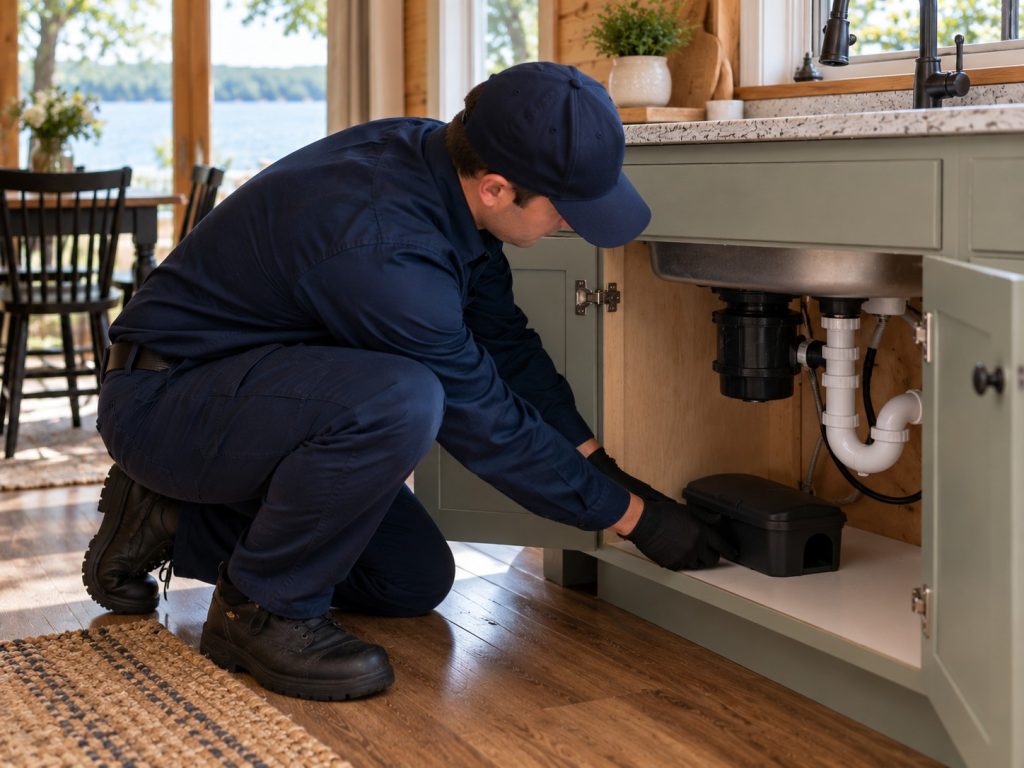
Professional mouse control focuses on reducing the active rodent population while identifying conditions that allow infestations to develop. A pest control technician evaluates the property, looks for evidence of mouse activity, and identifies common travel routes and potential entry areas. Treatment may involve professionally placed rodenticide bait stations in appropriate locations, depending on the property and infestation. These stations are designed to provide controlled access to rodent bait and must be installed and maintained according to product requirements.
Professional-grade rodent control products and proper placement can help address mouse activity that homeowners may struggle to manage with store-bought products. For cottages with recurring infestations, sealing entry points is also an important part of long-term prevention. Because mice can enter through numerous small openings, combining treatment with exclusion work provides a stronger approach than relying on traps or repellents alone.
Should You Treat Your Cottage Before Closing It for Winter?
If your cottage has experienced mouse problems in previous years, arranging treatment before winter can be beneficial. Fall is a common time for mice to begin seeking indoor shelter, making early intervention particularly valuable. A professional treatment can help address existing activity before the property remains vacant for an extended period.
It also provides an opportunity to identify potential entry points and recommend repairs. For cottages with repeated mouse infestations, ongoing monitoring or follow-up service may be appropriate. The ideal approach depends on the building’s construction, surrounding environment, and history of rodent activity.
How to Keep Mice Out of Your Cottage Year-Round
Although fall receives the most attention, mouse prevention should be considered throughout the year. Spring is a good time to inspect for damage that may have developed over winter. Check foundations, doors, crawl spaces, and storage areas for new openings or signs of activity. During summer, keep vegetation maintained and avoid leaving food or garbage accessible.
In fall, complete exterior repairs and prepare the property before extended vacancies. Winter inspections, when practical, can help identify problems before they become severe. Consistent maintenance is especially important for older cottages and waterfront properties where mice may be present in the surrounding environment throughout the year.
Book Professional Mouse Control With Port Dover Pest
Mice can cause significant problems when they enter a cottage, especially if the property remains vacant for weeks or months at a time. From contaminated cupboards and damaged insulation to chewed wiring and nesting materials, an infestation can quickly turn a relaxing seasonal property into a frustrating cleanup project. Mouse-proofing your cottage starts with identifying entry points, reducing food sources, maintaining the exterior, and addressing rodent activity before it becomes established.
If you’ve noticed mouse droppings, scratching noises, chewed materials, or other signs of activity, Port Dover Pest can help. Our professional mouse control services are designed to address existing infestations and help homeowners understand how rodents are accessing their properties. Whether you’re preparing your cottage for winter or dealing with mice during the summer season, our experienced pest control technicians can recommend an appropriate treatment plan. Protect your property from unwanted rodents with Port Dover Pest, and book professional mouse control for your cottage.