
Ants are one of the most common household pests in Port Dover. Many homeowners first notice a few ants in the kitchen or along a windowsill and assume it’s a minor issue. Unfortunately, even a small number of ants can quickly turn into a larger infestation if the conditions inside and around the home continue attracting them.
Ants are constantly searching for food, water, and shelter. Once they find a reliable source, they leave scent trails that guide more ants into the area. This is why infestations often seem to appear suddenly and grow rapidly. Understanding what attracts ants to your home is one of the best ways to prevent infestations and reduce the chances of recurring problems.
Food Sources Inside the Home
The biggest reason ants enter homes is simple: food. Ants are incredibly efficient at locating even the smallest crumbs or spills. Kitchens are especially attractive because they provide easy access to sugar, grease, and moisture. In many Port Dover homes, ants are commonly found near counters, sinks, garbage bins, pet food bowls, and pantries. Even if a home appears clean, tiny food particles can still attract foraging ants.
Sugary substances are particularly appealing. Syrup residue, fruit juice spills, honey, soft drinks, and candy crumbs can all draw ants inside. Protein-based foods such as grease, meat residue, and pet food can also attract certain species. Once ants discover food, they create a chemical trail that other worker ants follow. This is why a few ants can quickly turn into a visible trail moving through your kitchen.
Moisture and Water Sources
Food is not the only thing ants are searching for. Moisture plays a major role in attracting ants into homes. Leaking pipes, damp wood, condensation, and standing water create ideal conditions for many ant species. Kitchens, bathrooms, laundry rooms, and basements are common areas where moisture problems develop.
Homes near Lake Erie often experience higher humidity levels, especially during warmer months. In Port Dover, this added moisture can make homes even more attractive to ants. Carpenter ants are especially drawn to damp or decaying wood. Moisture-damaged areas around windows, sinks, or roof leaks may encourage colonies to establish themselves nearby.
Easy Access Into the Home
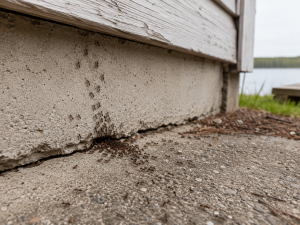
Ants are tiny and capable of entering through extremely small openings. Cracks in foundations, gaps around windows and doors, and openings near utility lines all provide access points. As homes age, natural settling and weather changes create more opportunities for ants to get inside. Even newer homes can develop small gaps that go unnoticed.
Once ants locate a way indoors, they continue using the same routes repeatedly. This is why trails often appear in the same locations day after day. Sealing entry points is an important part of long-term prevention.
Outdoor Conditions Around the Property
The exterior environment around your home can strongly influence ant activity indoors. Ant colonies often establish themselves near foundations, patios, sidewalks, gardens, and landscaping beds. If the colony is close enough to the structure, ants will eventually explore inside searching for food or water.
Overgrown vegetation touching the home can also create easy access routes. Tree branches, bushes, and vines allow ants to travel directly toward siding, windows, and rooflines. Mulch beds and moist soil around the foundation are also attractive nesting areas for many species. In Port Dover, homes surrounded by natural areas, gardens, or shoreline environments often experience higher levels of seasonal ant activity.
Weather Changes and Seasonal Activity
Spring and summer are peak seasons for ants in Ontario. As temperatures rise, colonies become more active and worker ants begin searching aggressively for food. Heavy rain can also drive ants indoors when outdoor nests become flooded or unstable.
Hot, dry weather sometimes pushes ants inside searching for water sources. This seasonal pattern explains why many homeowners in Port Dover notice ant problems increasing during warmer months.
Poor Food Storage
Open food containers make homes much more attractive to ants. Pantries with improperly sealed dry goods, sugar containers, cereal boxes, and pet treats can all provide food access. Garbage bins without tight-fitting lids are another major attractant.
Pet food bowls left out overnight are especially common sources of ant activity. Even a small amount of food can attract large numbers of ants over time. Proper food storage helps reduce attraction and limits opportunities for ants to establish trails indoors.
Dirty Dishes and Crumbs
One of the easiest ways to attract ants is by leaving food residue behind. Dirty dishes in the sink, crumbs under appliances, sticky countertops, and food spills on floors all provide accessible food sources. Ants are persistent and efficient. Even small traces of food that homeowners barely notice can sustain an entire trail of ants. Regular cleaning is important, especially in kitchens and dining areas where food particles tend to accumulate.
Garbage and Recycling Areas
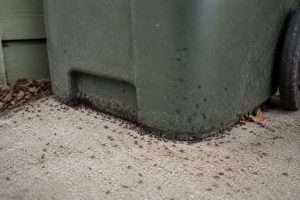
Garbage areas are highly attractive to ants because they contain food residue, moisture, and odors. Kitchen trash bins, recycling containers, and outdoor garbage storage areas all attract foraging ants if not maintained properly. Sticky beverage containers, food scraps, and overflowing garbage are especially appealing. Keeping garbage sealed and cleaned regularly helps reduce the likelihood of ant activity around the home.
Why Ants Keep Returning
Many homeowners wonder why ants continue coming back even after cleaning or spraying visible ants. The reason is that the colony itself remains active. Killing a few ants does not eliminate the nest. As long as the colony still has access to food, water, or shelter near your property, worker ants will continue returning. This is why long-term ant control focuses not only on the ants you see but also on the source of the infestation.
Different Ant Species Are Attracted to Different Conditions
Not all ants are drawn to the same things. Pavement ants are commonly attracted to food sources and often nest near sidewalks, patios, and foundations. They frequently invade kitchens searching for crumbs and sugary spills.
Carpenter ants are more likely to target moisture-damaged wood and damp environments. Understanding which species is present helps determine why ants are entering your home and how to stop them effectively.
Why DIY Ant Control Often Falls Short
Store-bought sprays may temporarily reduce visible activity, but they rarely solve the underlying problem. Surface sprays usually kill only worker ants while leaving the colony intact. In some cases, improper treatment causes colonies to split and spread.
Without identifying nesting areas and addressing the conditions attracting ants, infestations often return repeatedly. Professional ant control focuses on locating the source of the problem and implementing long-term solutions.
How Professional Ant Control Helps
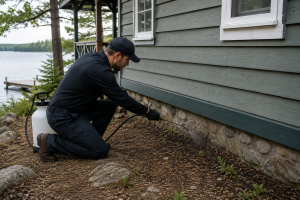
Professional ant control services take a more complete approach to infestations. Treatment plans target both the colony and the surrounding environment. Exterior treatments help reduce ant populations around the home, while interior strategies address current activity indoors. Professionals also help identify structural vulnerabilities and moisture issues that may be contributing to the infestation. This combined approach provides better long-term results than temporary DIY solutions.
Preventing Future Ant Problems
Preventing ants starts with reducing the things that attract them. Keeping kitchens clean, storing food properly, sealing garbage containers, and fixing moisture issues all help make your home less appealing.
Exterior maintenance is also important. Sealing cracks, trimming vegetation away from the house, and reducing moisture near the foundation can help prevent colonies from moving closer to the structure. Regular inspections and preventative treatments are especially helpful in Port Dover, where seasonal ant activity is common.
Book Ant Control With Port Dover Pest
If ants are invading your home, the problem is likely bigger than the few ants you can see. Port Dover Pest provides professional ant control services designed to identify the source of the infestation and stop it at the root. We help homeowners eliminate ant activity and prevent future problems with effective, long-term solutions tailored to local conditions.
Contact Port Dover Pest today to book your ant control service and protect your home from recurring infestations.