
As the weather warms up in Port Dover, many homeowners start noticing a familiar problem. Ants begin appearing in kitchens, often in long trails along counters, baseboards, and sinks. It can seem like they show up overnight, even in homes that are kept clean.
Spring is one of the busiest times of year for ant activity. Understanding why ants target kitchens during this season can help you respond quickly and prevent the issue from getting worse. This guide explains what draws ants indoors in the spring, how they get into your kitchen, and what actually works to stop them.
Why Spring Triggers Ant Activity
Ants don’t disappear in the winter. They simply become inactive, staying hidden in nests underground, inside walls, or beneath structures. As temperatures rise in Port Dover, these colonies begin to wake up.
Spring marks the start of their active season. Worker ants leave the nest in search of food to support the colony, including developing larvae and the queen. During this time, they are highly motivated to find reliable food sources. Your kitchen offers exactly what they need.
Kitchens Provide Easy Food Sources
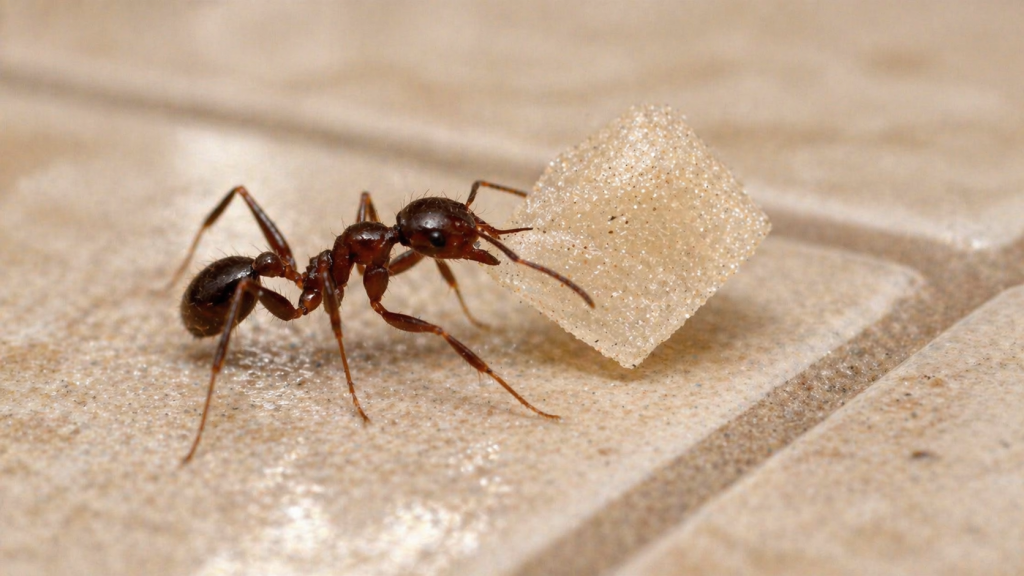
Kitchens are one of the most attractive areas in any home for ants. Even small amounts of food can draw them in. Crumbs on the floor, spills on countertops, and residue in sinks all act as food sources. Sugary items are especially appealing in the spring, as ants seek quick energy to support colony growth.
In Port Dover homes, open-concept layouts and frequent use of kitchens during warmer months can increase exposure. Ants don’t need much. Even a few crumbs behind an appliance or a sticky spot on a counter can be enough to start a trail. Once a food source is found, ants communicate it back to the colony, leading to more ants following the same path.
How Ants Find Their Way Inside
Ants are excellent at locating entry points. They can enter homes through very small gaps that often go unnoticed. Common access points include cracks in the foundation, gaps around windows and doors, and openings where utilities enter the home. In older properties around Port Dover, these entry points are especially common.
Ants also follow scent trails left by other ants. Once one ant finds a way inside, it leaves a chemical trail that guides others. This is why you often see ants moving in a line along the same path.
Moisture Plays a Role
Spring weather in Port Dover often brings increased moisture from rain and melting snow. This can affect ant behaviour. Some species are drawn to moisture and may enter homes looking for water sources. Kitchens, with sinks, pipes, and occasional leaks, become an ideal environment. Damp areas under sinks or behind appliances are common hotspots. Even condensation around pipes can attract ants and encourage them to stay.
Nests Close to the Home
Many ant problems in kitchens start with a nest located just outside the home. Ant colonies often establish themselves in soil, under patios, along foundations, or beneath landscaping features. From there, worker ants explore nearby structures for food. If your home is close to the nest, your kitchen becomes a convenient food source. This is why ant activity can seem persistent. As long as the colony remains active nearby, ants will continue to enter.
Why Ants Keep Coming Back
Ant infestations are not just about the ants you see. The colony itself is the source of the problem. If the nest is not addressed, new ants will continue to replace those that are removed. Surface-level cleaning or temporary solutions may disrupt activity briefly, but they rarely eliminate the issue completely. Ants are highly organized. They adapt quickly and can find new entry points or food sources if their original path is blocked.
The Challenge With DIY Solutions
Many homeowners try to deal with ants using store-bought sprays or cleaning products. While these may kill visible ants, they often don’t solve the underlying problem. Sprays can break up scent trails temporarily, but they don’t eliminate the colony. In some cases, they can even cause the colony to split, leading to multiple nests and increased activity. Another challenge is identifying where ants are coming from. Without knowing the location of the nest or entry points, it’s difficult to fully stop the infestation.
What Actually Works for Ant Control
Effective ant control focuses on eliminating the source of the problem and preventing access. This begins with identifying the species of ant and locating the nest. Different species behave differently, and understanding their habits is key to successful treatment.
Exterior treatments play an important role. Targeting the colony outside the home helps reduce the number of ants entering in the first place. This is especially important in Port Dover, where nests are often located close to the structure. Sealing entry points also helps limit access. Addressing cracks, gaps, and other vulnerabilities makes it harder for ants to get inside. Inside the home, removing food sources and cleaning affected areas helps reduce attraction. Combined with targeted treatment, this approach leads to longer-lasting results.

Why Kitchens Need Special Attention
Kitchens are high-traffic areas where food and moisture are present daily. Even with regular cleaning, small amounts of residue can build up over time. Ants are persistent and will continue searching until they find something. Once they establish a trail, they return repeatedly. Focusing on high-risk areas such as under sinks, behind appliances, and along baseboards can help reduce activity. Keeping surfaces clean and addressing moisture issues also makes the environment less appealing.
Preventing Future Ant Problems
Preventing ants in the spring starts with preparing your home before activity begins. Inspecting the exterior for cracks and gaps can help identify potential entry points early. Sealing these areas reduces the chances of ants getting inside. Managing outdoor conditions also plays a role. Keeping landscaping trimmed and reducing debris near the foundation can limit nesting opportunities.
Inside the home, maintaining cleanliness and addressing leaks or moisture issues helps reduce attraction. For many homeowners in Port Dover, ongoing pest control services provide consistent protection throughout the season.
When to Call for Professional Help
If ants continue to appear despite cleaning and basic efforts, it’s time to bring in professional help. Recurring activity often means the colony is well established and located close to the home. Without targeting the source, the problem is likely to continue. Working with a professional pest control company provides a more thorough approach, addressing both the colony and the conditions that allow ants to enter.
Book Ant Control With Port Dover Pest
If ants are taking over your kitchen this spring, you don’t have to deal with it on your own. Port Dover Pest provides effective ant control services tailored to local homes and conditions. We focus on identifying the source, treating the problem at its root, and preventing future infestations.
Don’t let ants take over your kitchen. Contact Port Dover Pest to book your service and keep your home protected this spring.