
Mice inside the walls are one of the most frustrating pest problems homeowners in Port Dover deal with. Unlike pests you can see in the open, mice often stay hidden, moving through wall cavities, ceilings, and insulation. By the time you realize something is wrong, they have usually been active for some time.
Homes across Port Dover, including lakefront properties, cottages, and residential neighborhoods, are all vulnerable to mice. Seasonal temperature changes, nearby fields, and access to shelter make it easy for mice to move indoors and stay there.
Recognizing the early signs of mice in your walls can help you act quickly before the problem grows. This guide explains what to look for, why mice choose wall spaces, and what to do if you suspect activity inside your home.
Why Mice Live Inside Walls
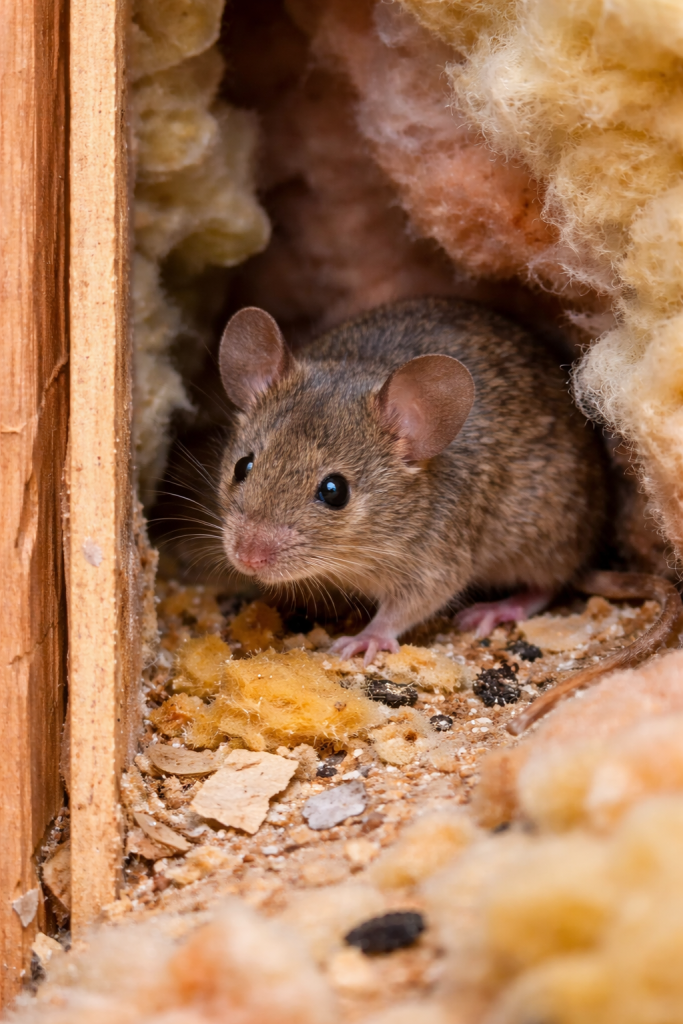
Wall cavities provide everything mice need to survive. They are dark, quiet, and protected from predators. Insulation makes an ideal nesting material, and the enclosed space allows mice to travel safely throughout the home without being seen.
In Port Dover, mice often enter homes in the fall as temperatures drop. Once inside, they rarely stay in one place. Instead, they create pathways through walls that connect kitchens, basements, attics, and storage areas. Because of this, what starts as a small issue in one part of the home can quickly spread to multiple areas.
Scratching and Movement Sounds
One of the most common signs of mice in your walls is sound. Homeowners often hear scratching, scurrying, or light tapping noises coming from behind drywall or above ceilings. These sounds are usually more noticeable at night. Mice are nocturnal, which means they are most active when the house is quiet. You might hear movement along a specific wall, or even above you if they are traveling through ceiling spaces.
In Port Dover homes, this is especially common in bedrooms or living areas during the evening hours. The sounds may start off faint and occasional, then become more frequent as the population grows.
Activity in the Kitchen and Pantry
Even if mice are living in the walls, they still need to come out to find food. The kitchen is often where signs become more obvious. You may notice droppings inside cabinets, under the sink, or along baseboards. Food packaging might have small chew marks, particularly on items like bread, cereal, or pet food. Crumbs or debris may appear in areas that were previously clean.
These signs indicate that mice are traveling from the walls into living spaces and back again. It also means they have already established a routine inside your home.
A Musty or Unusual Odour
Mice produce a distinct smell that becomes more noticeable over time. In enclosed spaces like walls, this odour can build up and spread into nearby rooms. Homeowners often describe it as a stale or musty smell that doesn’t go away with regular cleaning. In some cases, the smell becomes stronger in certain areas, depending on where mice are nesting.
If a mouse dies inside a wall, the odour can become much more intense for a short period. This is another sign that activity is happening behind the scenes.
Droppings Near Entry Points
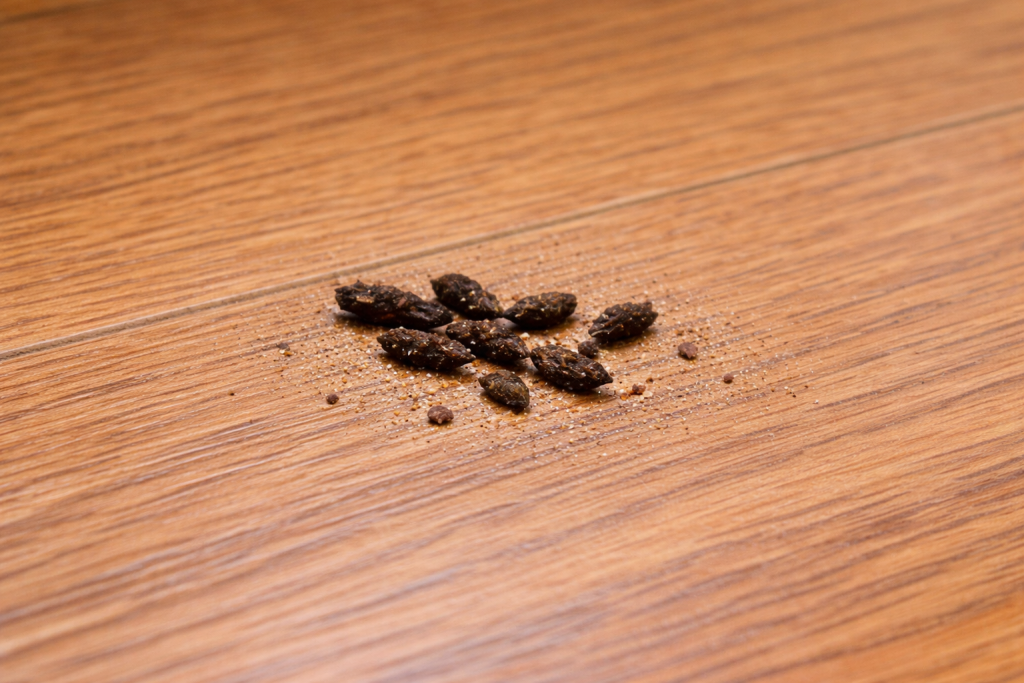
Even though mice may live in the walls, they leave evidence behind as they travel. Droppings are often found along baseboards, near doorways, or around entry points where they move in and out of hidden areas.
In Port Dover homes, common spots include basements, garages, and utility rooms. These areas tend to have more access points and less daily activity, making them ideal for mice. Fresh droppings are usually dark and soft, while older ones become dry and crumbly. Finding multiple droppings in the same area is a strong indicator of ongoing activity.
Gnaw Marks and Damage
Mice constantly chew to keep their teeth from overgrowing. This behaviour leads to visible damage in many homes. You might notice small chew marks on wood, drywall, or even wiring. In kitchens, food containers and packaging are common targets. In wall spaces, mice may damage insulation or create small openings as they move through.
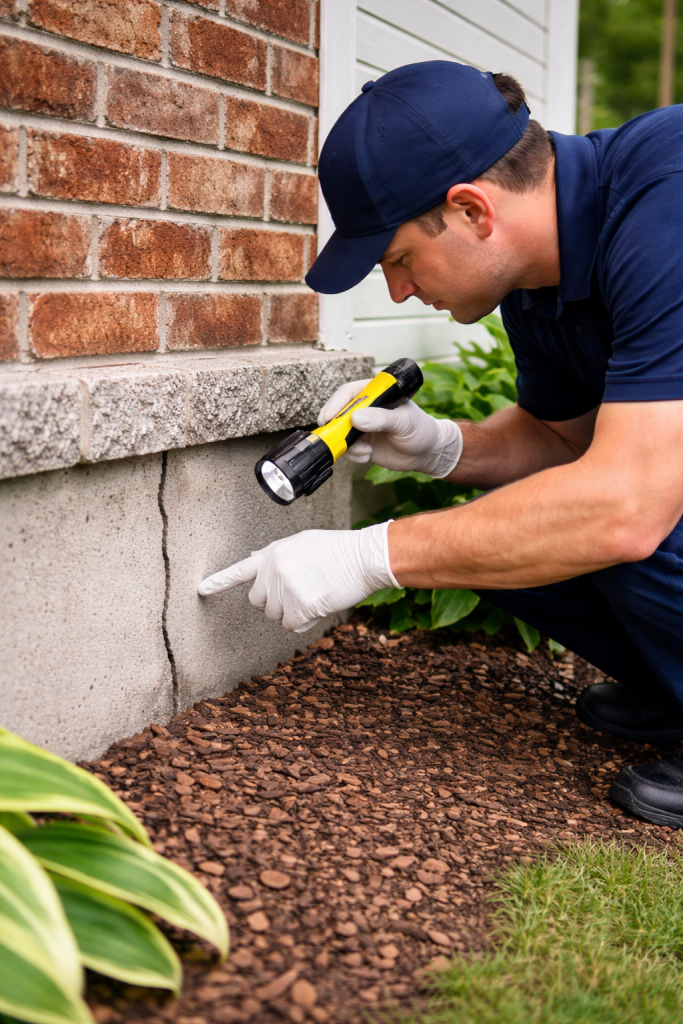
In some cases, homeowners in Port Dover discover damage around entry points on the exterior of the home. This can include chewed gaps near vents, siding, or foundation lines.
Pets Acting Unusual
Pets often notice mice before humans do. Cats and dogs may become fixated on a specific wall, staring, scratching, or sniffing persistently in one area. If your pet is paying unusual attention to a wall or corner of the house, it may be reacting to sounds or movement inside. This can be an early warning sign that mice are present.
Why Mice in Walls Get Worse Over Time
Mice reproduce quickly. A small problem can turn into a much larger infestation in a short period. Because they are hidden inside walls, many homeowners underestimate how many mice are actually present. While you might only hear occasional sounds, there could be multiple nesting areas throughout the home.
As the population grows, activity becomes more noticeable. Sounds become louder, droppings appear more frequently, and the risk of damage increases. This is why early detection and action are so important.
How Mice Are Getting Into Your Walls
Mice don’t appear inside walls randomly. They enter through small gaps on the exterior of the home, then move into wall cavities once inside.
Common entry points in Port Dover include openings around utility lines, cracks in the foundation, gaps under doors, and damaged vents. Roofline gaps and soffits can also allow access to attic spaces, which connect to walls. Because mice can squeeze through extremely small openings, these entry points are often overlooked.
What to Do If You Hear Mice in Your Walls
If you suspect mice are inside your walls, it’s important to act quickly. Trapping alone may reduce the number of mice, but it won’t solve the problem if entry points remain open. Mice will continue to enter the home, leading to ongoing activity.
A proper solution involves identifying how mice are getting in, addressing the population inside, and preventing future access. Professional pest control focuses on all of these steps at once, which leads to faster and more reliable results.
Professional Mouse Control in Port Dover
A professional rodent service begins with a detailed inspection of the home. This helps identify entry points, nesting areas, and the level of activity.
Technicians place traps in strategic locations to target active mice. Exterior bait stations are often used to control the population outside before they enter the home. Most importantly, recommendations are made to seal gaps and prevent re-entry. In Port Dover, homes near open land or water may require ongoing monitoring to keep mice under control year-round.
Book Mouse Control With Port Dover Pest
If you’re hearing scratching in your walls or noticing signs of mice in your home, it’s time to take action. Port Dover Pest provides professional mouse control services designed for local homes and conditions. We focus on quick results, thorough inspections, and long-term prevention so the problem doesn’t come back.
Contact Port Dover Pest to schedule your service and protect your home from mice in the walls.